
Health and Safety act since 1974
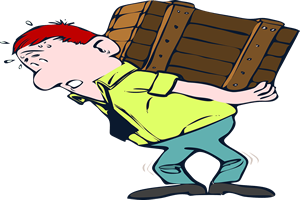 This manual handling course is perfect if your work includes lifting or moving loads or you wish to teach others about correct manual handling techniques in your workplace. We cover everything you need to know so you can gain your manual handling certificate and meet the requirements of the manual handling operations.
Manual handling courses will help you
- Get your manual handling certificate
- Understand the risks that apply to handling loads in your workplace
- Use the right techniques to lift and carry loads safely
- Take correct action to avoid problems
- Make sure your workplace meets the regulations on safe manual handling at work
Our manual handling programme covers the regulations that apply to safe manual handling, how to lift and carry loads and avoid injury and strain, how to use equipment correctly, how to use risk assessment methods and much more.
Whether you’re new to manual handling or you wish to become your workplace manual handling specialist or give advice to others on manual handling, you’re sure to benefit from our manual handling course.
What do you need for this manual handling training course?
- ability to show practical skill
- ability to deal with written documents – i.e. read, understand, answer
- organisation skills
Basic Manual Handling – background
The law on manual handling requires all employers to carry out training for staff who lift or move loads. Employers, as well as employees, have responsibilities under the Manual Handling Operations Regulations 1992 (also known as ‘Manual Handling Operations 1992’).
Our team of experienced, competent and supportive tutors can help you achieve your manual handling certificate in a matter of weeks. We’ll give you expert classroom tuition and guidance.
Course Content
1. Introduction to Manual Handling
2. Lifting and carrying safely
3. Techniques to avoid injury and strain
4. Manual Handling Risk Assessment explained.
5. How this applies to you.
6. Lifting and carrying in special situations.
7. The use of equipment
8. How to recognise and avoid potential problems
9. Responsibilities of employers and employees including Manual Handling Operations Regulations 1992 and safety legislation
10. Questions and answers
What’s Next?
After our manual handling course, you can become your workplace manual handling safety representative and you might have a better chance in the job market, be able to move to a new area of work or gain a higher level of responsibility.